May 20, 2026
The landscape of home renovations has experienced a significant transformation, with homeowners investing more in remodeling projects. This article delves into the factors driving these changes and their implications on the renovation industry. From the increased influence of media and technology to the role of general contractors, various facets have contributed to the evolving trend of homeowners spending more to improve their living spaces. In the following sections, we will take a closer look at the current trends, the impact of professional services, and the areas homeowners are prioritizing for renovations. By understanding these influences, we can predict how these trends will shape the future of the renovation landscape.
1. What Are the Current Trends in Home Renovation Spending?
1.1 The Rise in Popularity of Home Remodeling
Home remodeling projects have surged in popularity over recent years. Factors such as increased home values and the desire for more personalized living spaces have encouraged homeowners to invest in renovations. This trend is not just a result of aesthetic desires but also represents a shift towards improving the functionality of living spaces. With the housing market becoming more competitive, many homeowners choose to upgrade their existing homes rather than face the challenges of buying new properties.
The increase in home renovation spending is supported by statistical evidence. According to Fixr, from 2020 through 2024, the median household spending on home renovations increased by 33.3%. This significant rise demonstrates a broader trend of homeowners opting to invest in their current homes. Such investments are inspired by the need to adapt homes to changing lifestyles and emerging design trends.
Another contributing factor is the inspiration provided by media outlets and platforms. Home improvement networks, DIY television shows, and online platforms have amplified the appeal of home renovations. These influences have made home remodeling more accessible and appealing to a broader audience. Consequently, these factors have led to an era where homeowners are more engaged and enthusiastic about investing in their spaces.
1.2 Impact of the Pandemic on Renovation Decisions
The COVID-19 pandemic has significantly influenced homeowners' renovation decisions. With more time spent at home due to lockdowns and remote working conditions, many individuals noticed flaws and opportunities for improvement within their living spaces. This led to a rise in demand for home renovations as individuals sought to create more comfortable and functional environments. Additionally, the need for multi-purpose living areas became more apparent, prompting homeowners to adapt their homes for versatile use.
Work-from-home arrangements increased the necessity of having dedicated workspace at home. Consequently, there was a surge in the renovation of spaces to accommodate home offices. This change reflected the pandemic’s lasting impact on how homeowners perceive and interact with their living spaces. The trend also underscored the demand for renovations that support both work-life balance and remote working efficiencies.
Pandemic-induced financial adjustments also played a role. While some faced economic hardships, others found themselves saving more due to reduced social spending, leading to available funds for home improvements. This redistribution of resources allowed many homeowners to prioritize home renovations during and after the pandemic, reshaping their living environments to better suit their needs.
2. How Does Hiring a General Contractor Affect Renovation Costs?
2.1 Advantages of Hiring a General Contractor
Hiring a general contractor can significantly ease the renovation process for homeowners. General contractors bring expertise and industry knowledge that can be invaluable in executing successful renovation projects. They handle everything from project planning and coordination to acquiring necessary permits, ensuring that the renovation adheres to all safety standards and regulations. This oversight reduces the stress and effort for homeowners while also potentially minimizing renovation time and avoiding costly mistakes.
One significant advantage of working with a general contractor is their ability to manage and coordinate complex projects. With access to a network of skilled subcontractors, they can ensure that every aspect of the renovation is handled by qualified professionals. This integrated approach often results in cohesive, high-quality renovations that might otherwise be challenging for individual homeowners to achieve independently.
Furthermore, general contractors have established relationships with suppliers and craftsmen, allowing them to source materials at competitive rates. This access can make high-quality materials more affordable for homeowners, ultimately enhancing the value of renovations. The savings on materials and ensured quality through professional oversight can make the upfront cost of hiring a contractor a worthwhile investment.
2.2 Cost Considerations for Contractor Services
The decision to hire a general contractor involves weighing various cost considerations. While professional services come with additional fees, they can often result in cost-effective projects due to the efficient management of resources and time. The expertise of a general contractor can help prevent common pitfalls that lead to unexpected expenses, helping to keep the project within budget.
Contractor fees typically vary depending on the scope and complexity of the project. However, it is important for homeowners to view these fees in the context of the overall cost savings they can provide. For instance, contractors' negotiation skills can lead to better pricing on materials and services, which can outweigh their fees.
Another cost aspect to consider is the potential for a quicker project timeline. General contractors have the experience to foresee potential problems and proactively address them before they escalate. This proactive management can reduce the length of renovations, minimizing the disruption to homeowners' daily lives and reducing the risk of extended project costs.
3. What Home Areas Are Homeowners Prioritizing for Renovation?
3.1 Kitchen and Bathroom Upgrades
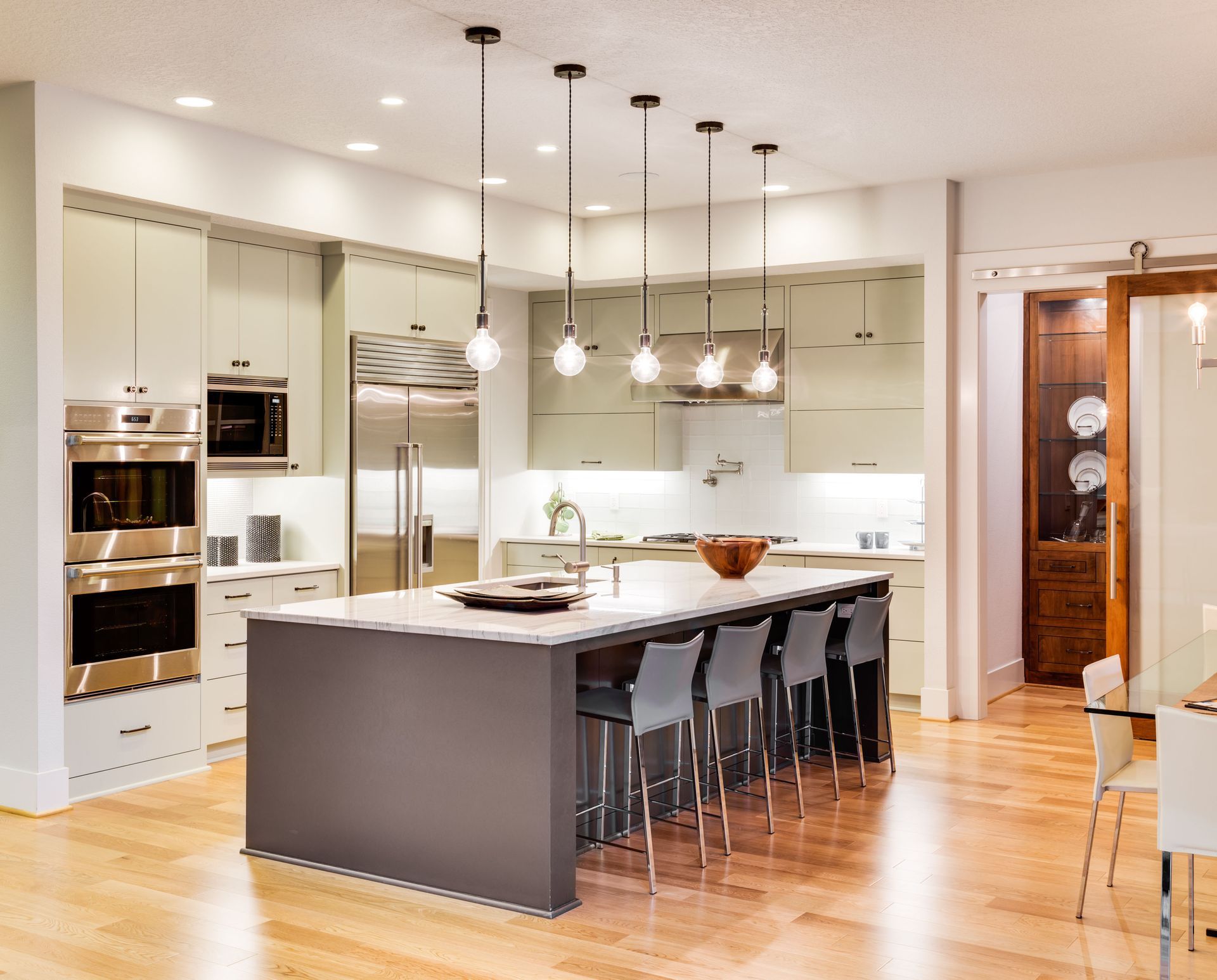
Kitchens and bathrooms remain top priorities for homeowners seeking to renovate. These areas not only serve essential functions but also significantly impact the overall aesthetic and value of a home. Modernizing these spaces can enhance comfort and efficiency while updating outdated designs. As such, they often represent the core focus for renovation projects.
Kitchen remodels are particularly appealing due to the potential for customization and enhanced functionality. From cabinetry and countertops to appliances and lighting, every aspect can be tailored to improve the culinary experience and aesthetic appeal. The investment typically results in high returns, making kitchen upgrades a preferred choice among homeowners.
Bathroom renovations are equally sought after due to their impact on convenience and relaxation. Whether upgrading fixtures for efficiency or redesigning layouts for better use of space, these renovations enhance daily routines and add luxury to the home environment. By transforming both kitchens and bathrooms, homeowners increase their property’s market appeal and personal enjoyment.
3.2 Home Office and Remote Work Spaces
The rise of remote work has brought greater attention to home office spaces. Many homeowners now prioritize creating dedicated workspaces that promote productivity and comfort. Essential features include ergonomic furnishings, adequate lighting, and spaces that offer privacy and minimize distractions. These modifications address the need for functional environments that support both professional and personal tasks.
Home office renovations extend beyond practicality into aesthetics, as individuals seek spaces that inspire creativity and concentration. Design elements such as color schemes, storage solutions, and technology integration create a conducive atmosphere for various professional endeavors. As remote work becomes a permanent fixture for many, these renovations are crucial for adapting home environments to evolving professional needs.
Moreover, multifunctional spaces that blend work and leisure have gained popularity. Flexibility is key, allowing spaces to transition between personal and work uses seamlessly. By investing in versatile workspaces, homeowners future-proof their homes for ongoing changes in work culture and lifestyle demands.
In conclusion, multiple factors contribute to the ongoing increase in home renovation spending. Economic incentives, technological advancements, and lifestyle changes have driven these trends, accentuating the role of a general contractor and the prioritization of specific home areas for renovations. As Fixr's data suggests, the substantial increase in spending over recent years speaks to a broader embrace of home improvements as valuable investments. With continuous influences from media and shifting work environments, homeowners are likely to persist in transforming their living spaces, ensuring they cater to new demands and preferences. These trends underscore an ongoing evolution in how homes are perceived and experienced in contemporary society.