March 18, 2026
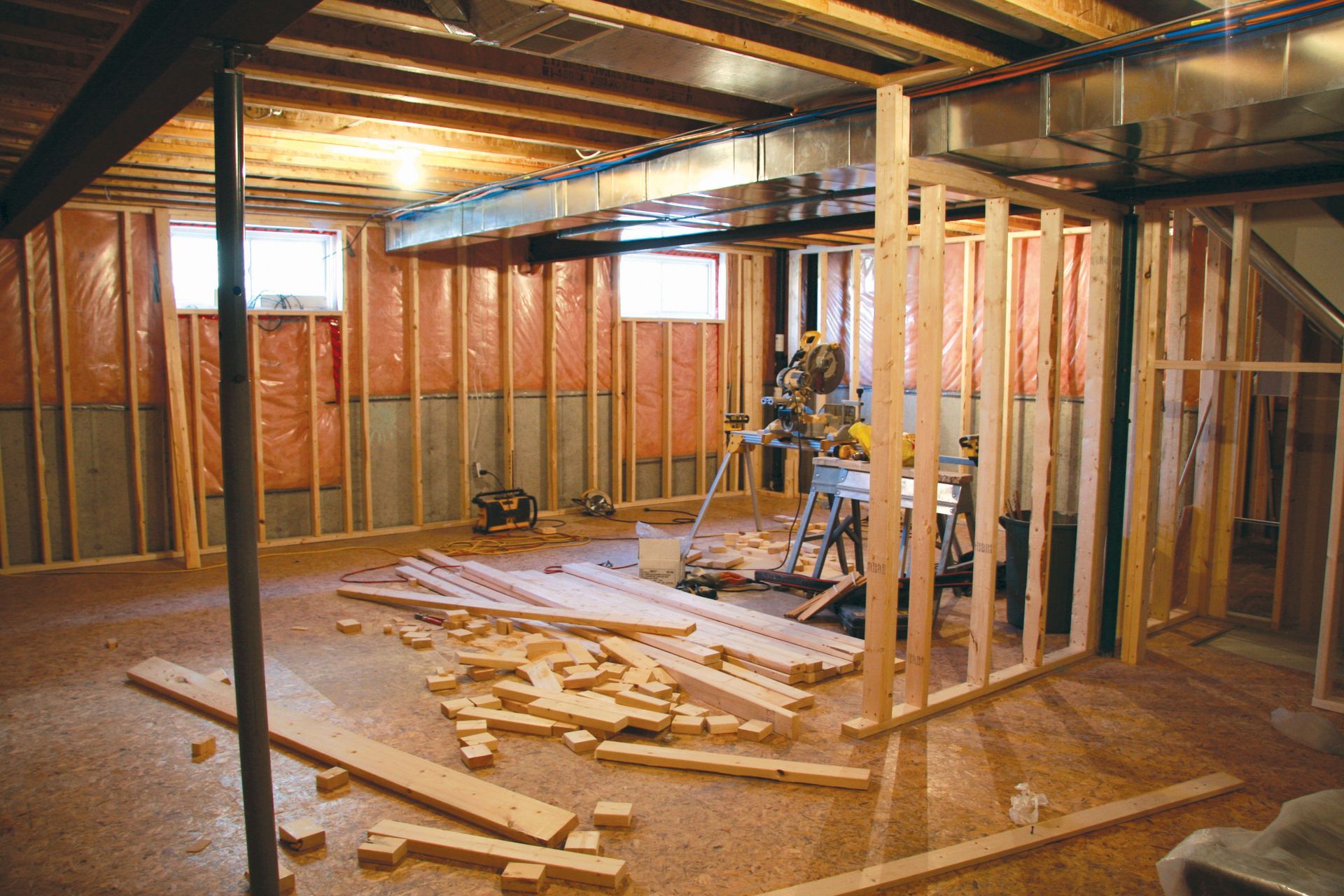
An unfinished or underused basement often represents one of the largest untapped spaces in a home. With the help of a basement conversion contractor, homeowners can transform this area into a comfortable and functional extension of the house. Instead of serving as a storage area for seasonal items or unused furniture, the basement can become a place where daily life happens. Whether it becomes a guest suite, entertainment room, home office, or gym, the possibilities are extensive when the space is thoughtfully designed.
Working with a professional basement conversion contractor helps ensure the project runs smoothly from the initial concept through final construction. Contractors understand how to address common basement challenges such as moisture control, lighting limitations, and ventilation. Their experience allows them to plan layouts that feel natural within the home while also meeting building codes and safety requirements.
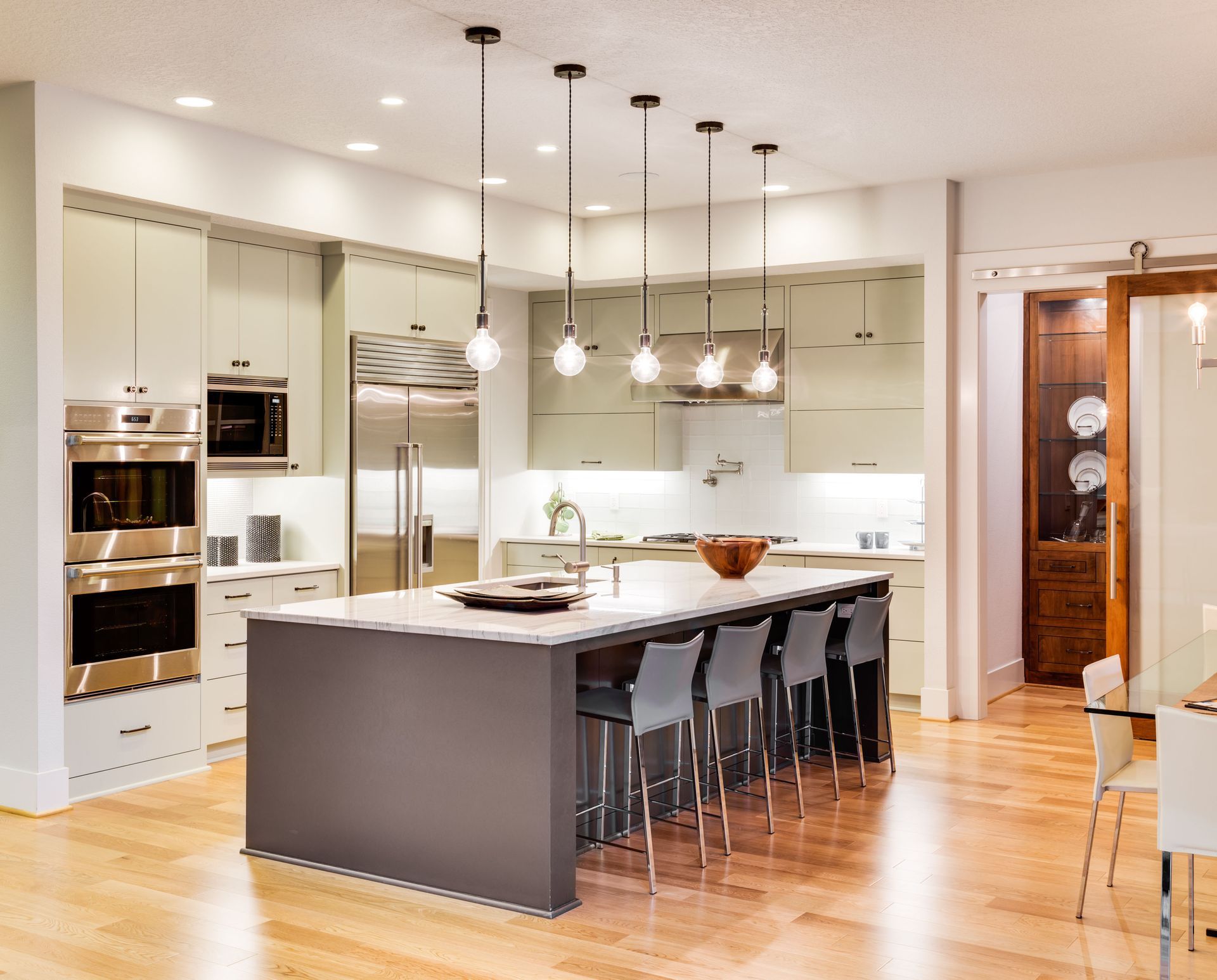
Converting a basement can also contribute to the long-term value of a property. Many homeowners choose to invest in this type of renovation because it increases usable square footage without expanding the home's footprint. Research highlights the financial impact renovations can have as well. According to Today's Homeowner, 57% of homeowners experienced an increase in their home’s appraisal value following renovations. A professionally planned basement renovation, therefore, provides both lifestyle benefits and potential financial advantages.
The Benefits of Basement Conversion
Increased Living Space
One of the most appealing aspects of working with a basement conversion contractor is the opportunity to add meaningful living space without building an addition. Many houses already contain a large basement that simply has not been developed. Turning that square footage into usable rooms can dramatically improve the way a home functions.
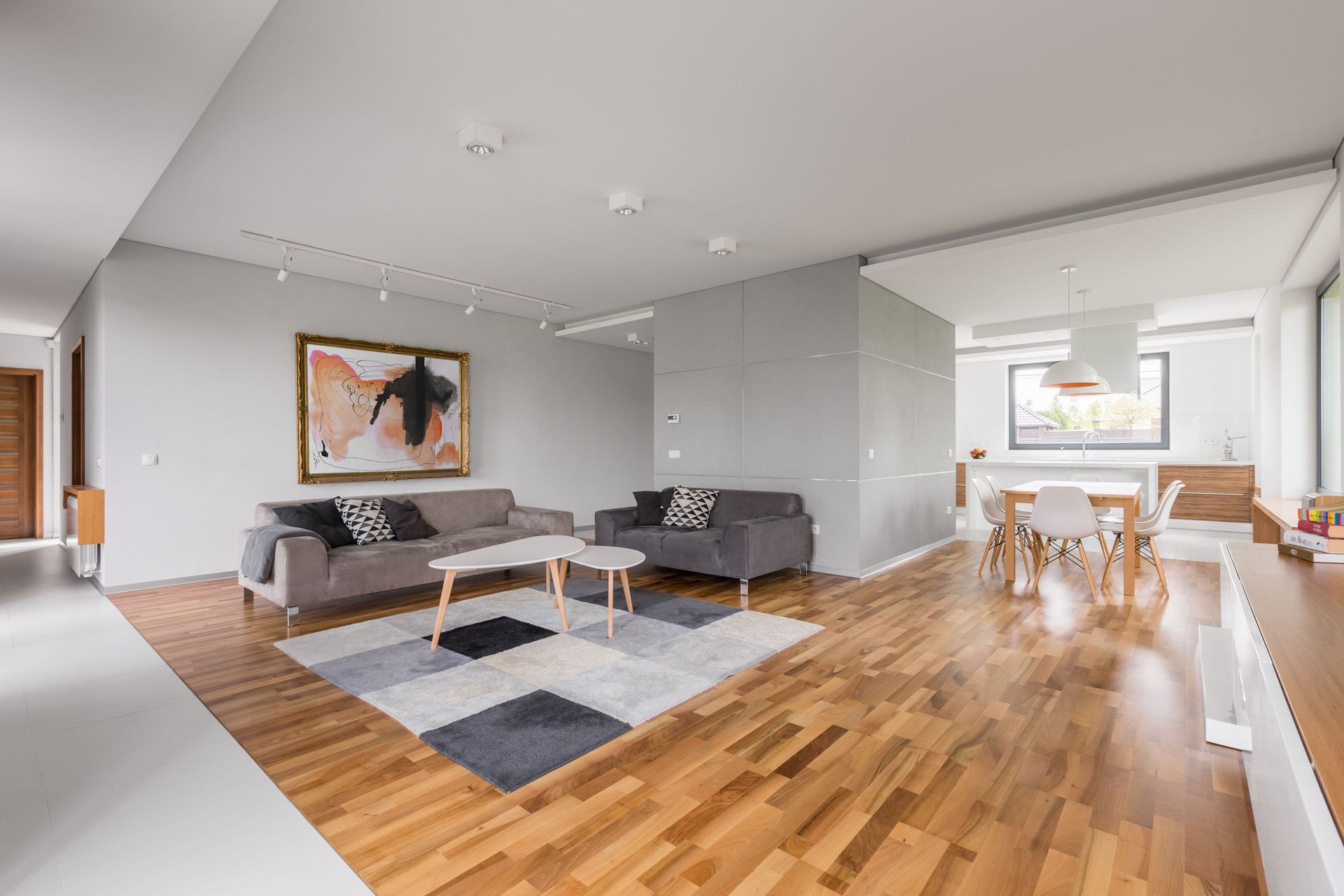
Families often use newly finished basements as media rooms, playrooms, hobby spaces, or extra bedrooms. Remote workers may prefer a quiet home office separated from the activity of the main floor. Some homeowners design open layouts that combine entertainment areas with small kitchenettes or lounge seating. Each option allows the home to support changing lifestyles and household needs.
Using the existing structure of the home also keeps the renovation more efficient than major expansions. A skilled basement conversion contractor can help plan the layout, install proper lighting, and design features that make the lower level feel bright and comfortable. When done correctly, the new space blends naturally with the rest of the house.
Added Home Value
Beyond the extra room for everyday living, finished basements are often attractive to future buyers. Additional functional square footage can make a home stand out in competitive real estate markets. Buyers frequently look for flexible spaces that can serve multiple purposes, and a well-designed basement can provide exactly that.
Homes with finished lower levels may also appear more modern and updated. A thoughtfully planned basement shows that the homeowner has invested in maintaining and improving the property. These improvements can influence both the perceived value and the marketability of the home.
A knowledgeable basement conversion contractor can help homeowners focus on design choices that enhance resale appeal. Neutral finishes, durable flooring, and versatile room layouts make the space attractive to a wide range of buyers. Even if the homeowner plans to stay for many years, these design decisions support long-term value.
Versatility of Design
Another advantage of basement renovations is their incredible flexibility. Unlike some other rooms in the house, basements often start as open spaces that can be configured in many ways. A basement conversion contractor can help translate a homeowner’s ideas into a practical design that maximizes the available square footage.
Some homeowners choose to create cozy family gathering areas with comfortable seating and large televisions. Others prefer functional spaces such as home gyms, craft studios, or study areas for students. Guest suites with private bathrooms are also popular, especially for households that host visitors regularly.
Lighting and materials play an important role in basement design. Because natural light may be limited, contractors often install layered lighting systems that combine overhead fixtures, wall lights, and accent lighting. Light colored finishes and carefully selected flooring materials can make the room feel open and welcoming. With the right approach, the basement can become one of the most comfortable spaces in the house.
Improved Home Efficiency
Renovating a basement often involves improving insulation and sealing areas that previously allowed drafts or moisture to enter the home. These upgrades can increase overall energy efficiency. Many older basements lack proper insulation, which can lead to heat loss during colder months.
A basement conversion contractor can address these issues during the renovation process. Updated insulation, moisture barriers, and improved ventilation systems help maintain a stable indoor temperature. As a result, heating and cooling systems do not need to work as hard to regulate the home's climate.
Modern materials and energy-efficient fixtures can further enhance the space. LED lighting, energy-efficient windows, and improved airflow systems all contribute to a more comfortable environment. Over time, these upgrades can help reduce utility costs while improving indoor comfort throughout the house.
Additional Rental Income
For some homeowners, a finished basement also presents an opportunity to generate extra income. Converting the area into a small apartment or private living space can allow the home to accommodate tenants or short-term guests. This arrangement is especially appealing in areas where rental housing is in high demand.
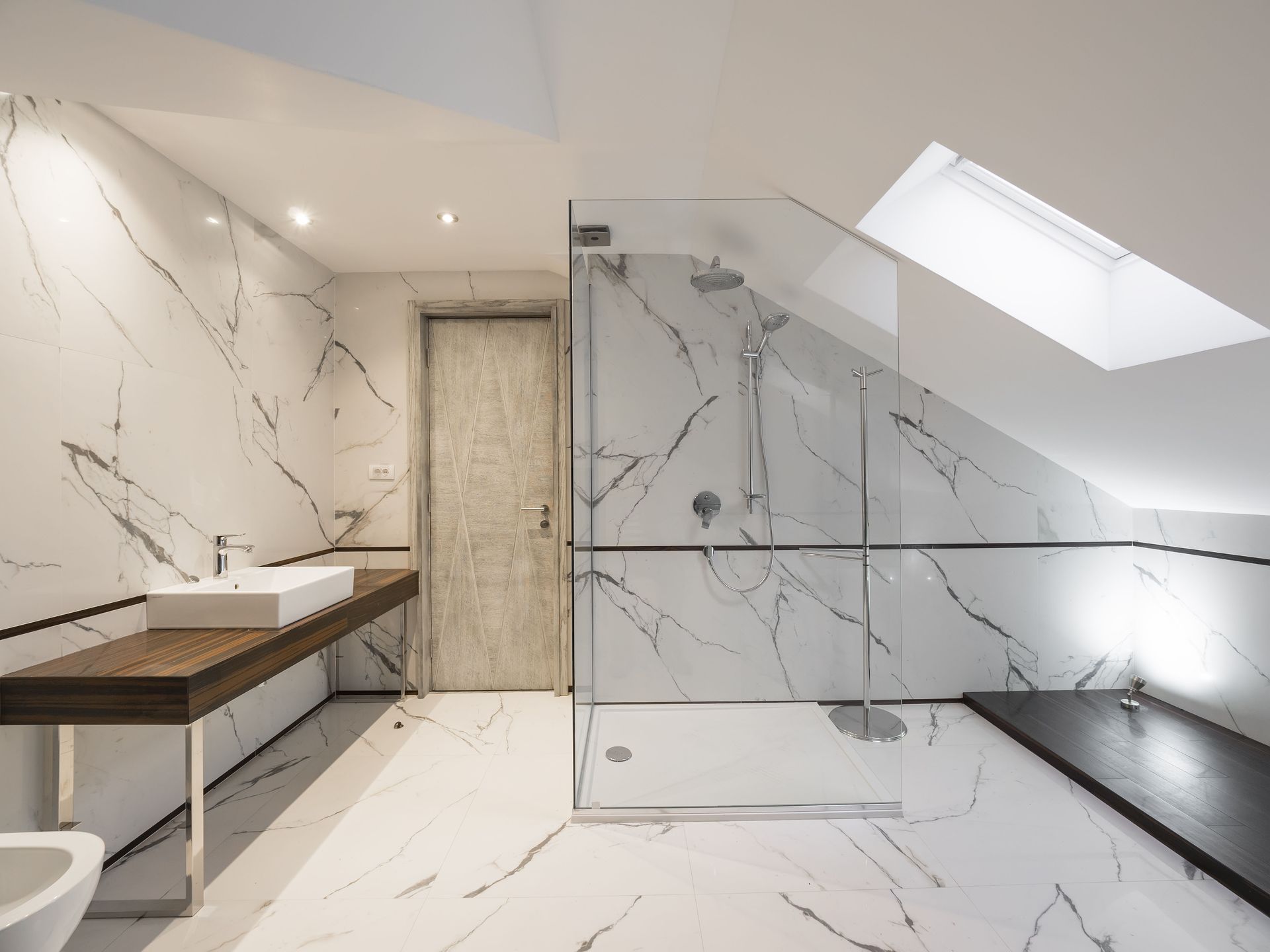
A basement conversion contractor can help design the layout so that it functions as a separate living area. This may include adding a bathroom, kitchenette, and private entrance if local regulations allow. Creating a comfortable and independent space increases the likelihood of attracting reliable renters.
Before pursuing a rental arrangement, homeowners should research local zoning regulations and housing requirements. Building codes may specify ceiling heights, emergency exits, and ventilation standards for basement living spaces. Working with an experienced contractor ensures the renovation meets these requirements from the beginning.
Key Considerations Before Hiring a Contractor
Understanding Regulations
Every community has specific building codes that apply to basement renovations. These rules often address safety features such as emergency exits, ceiling heights, and ventilation requirements. A basement conversion contractor who understands local regulations can help homeowners avoid costly mistakes.
Obtaining permits is typically part of the renovation process. Contractors frequently manage this step by submitting plans and coordinating inspections with local authorities. Their familiarity with the process helps ensure that the project remains compliant from start to finish.
Following these regulations protects both the homeowner and future occupants of the space. When a basement is converted according to approved standards, it can be safely used as a bedroom, living area, or rental unit.
Budgeting and Financing Options
Planning a renovation budget is an essential part of the project. Homeowners should consider expenses such as materials, labor, electrical work, plumbing, insulation, and finishing details. Consulting with a basement conversion contractor early in the process helps create a realistic estimate of total costs.
Some homeowners finance basement renovations through home improvement loans or home equity lines of credit. These options allow the project to be completed immediately while spreading the cost over time. Because finished basements can add value to the property, many people view the renovation as a long-term investment.
Regular updates between the homeowner and contractor help address questions and maintain realistic expectations. Construction schedules can sometimes shift due to material availability or unexpected repairs. Clear communication allows adjustments to be made without unnecessary stress.
When the project is completed, the result is a fully integrated living area that expands the home’s potential. With careful planning and the guidance of a skilled basement conversion contractor, an unused basement can become one of the most valuable and enjoyable parts of the property. For more information, contact Capstone Quality Services today.